What are you looking for ?
Please type the word you want to search and press "enter"
Best International School in New Cairo | Al Andalus International School

Best International School in New Cairo | Al Andalus International School

Best International School in New Cairo are closer than you think, all you have to do is to look for certain signs to choose the best fit for you

Best International School in New Cairo (Tagamoa 5) | Al Andalus International School

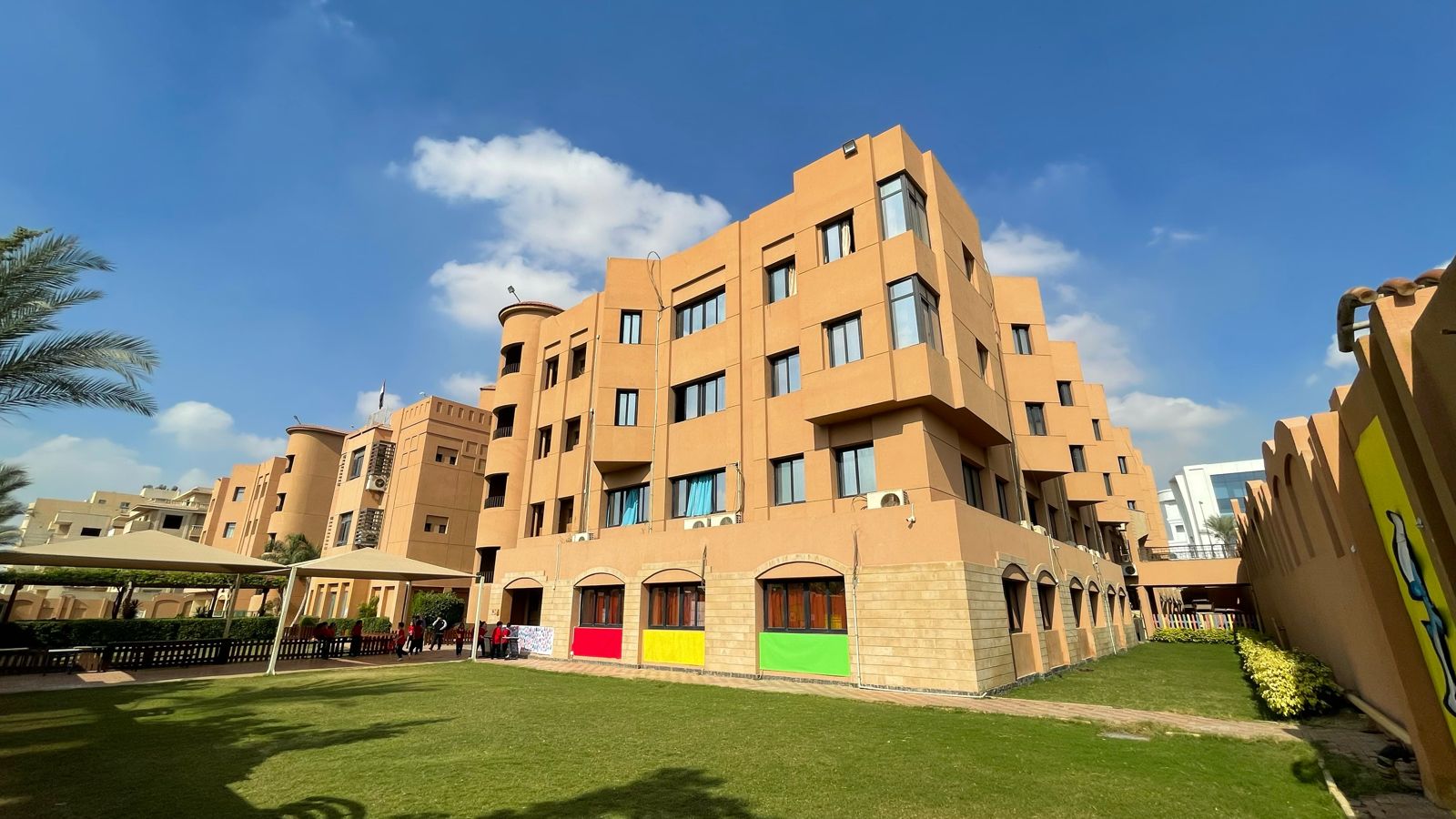
If you are searching for the best international school in New Cairo, especially in Tagamoa 5, then choosing the right school is one of the most important decisions for your child’s future.

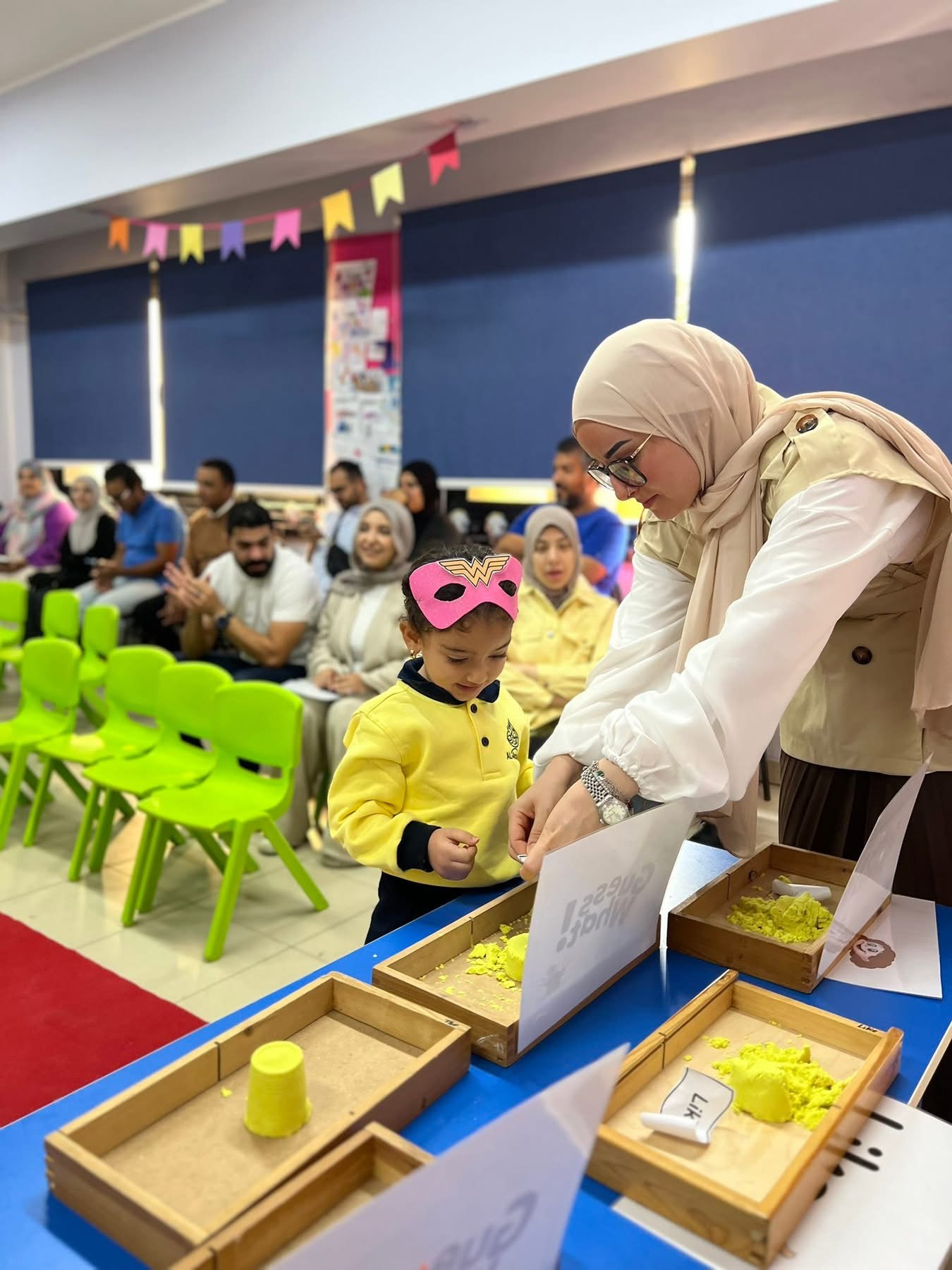
Parents today are not just looking for education — they are looking for a complete learning experience that builds personality, skills, and global awareness.

This is exactly what Al Andalus International School in New Cairo delivers.


Why Parents Search for an International School in New Cairo?

New Cairo (Tagamoa 5) has become one of the top educational hubs in Egypt. Choosing an international school in New Cairo provides:

  • Modern educational systems
  • Safe and organized environment
  • Access to top facilities
  • Proximity to major residential areas

Al Andalus International School – A Leading International School in New Cairo

Founded in 2008, Al Andalus International School is one of the most trusted names among international schools in New Cairo.

  • Academically strong
  • Emotionally intelligent
  • Socially responsible

With more than 10 graduating classes, the school has proven consistent excellence.


Top Reasons to Choose Al Andalus International School in Tagamoa 5

1. Strong Academic System

  • Deep understanding instead of memorization
  • Critical thinking skills
  • Independent learning

2. Holistic Education Approach

  • Personal development
  • Emotional growth
  • Social awareness

3. Expert Teaching Staff

  • Provide personalized attention
  • Use advanced teaching methods
  • Encourage student engagement

4. Advanced Facilities & Learning Environment

  • Modern classrooms
  • Science and computer labs
  • Smart learning technologies

5. Strong Values & Character Development

  • Respect and discipline
  • Integrity and ethics
  • Responsibility and teamwork

Location Advantage – International School in Tagamoa 5

  • Easily accessible
  • Safe for students
  • Close to residential communities

Preparing Students for International Universities

  • Communication skills
  • Digital literacy
  • Leadership abilities
  • Problem-solving mindset

Extracurricular Activities

  • Sports programs
  • Arts and creativity
  • Cultural events

Why Parents Trust Al Andalus International School

  • High academic standards
  • Safe environment
  • Balanced education system
  • Proven success record

How to Choose the Best International School in New Cairo?

  • Curriculum quality
  • Teaching staff
  • Facilities
  • Reputation

Apply Now

If you are looking for the best international school in New Cairo, give your child the best start with Al Andalus International School.

Apply Now

How to Organise Your Studies for Success

How to Organise Your Studies for Success

Discover practical study strategies, time-management tips, and effective learning habits to stay organised, improve focus, and achieve academic success.

Preparing for a Successful School Year: Inside Al-Andalus International School

Preparing for a new academic year is about much more than getting classrooms ready. It is about creating an inspiring, safe, and welcoming environment where students can learn, grow, and reach their full potential.

At Al-Andalus International School, preparation begins long before the first day of school. Every detail is carefully considered to ensure that students, parents, and teachers are ready for a productive and rewarding academic journey.

Creating the Right Learning Environment

A successful school year starts with a well-prepared learning environment. At Al-Andalus International School, classrooms are organized to encourage interaction, creativity, and active participation.

From arranging learning materials to preparing smart boards, ICT facilities, and science laboratories, every space is designed to support modern educational practices.

As an established International school in New Cairo, we believe that the learning environment plays an essential role in shaping students' academic performance and personal development.

Preparing Our Academic Team

Behind every successful student is a dedicated team of educators. Preparing for the new academic year includes academic planning, teacher coordination, curriculum reviews, and professional development.

Our academic and administrative teams work together to establish clear objectives, organize teaching resources, and ensure that every department is aligned with the school's educational vision.

Families looking for an International school want more than academic excellence. They want qualified educators, effective communication, and a supportive community that understands every child's individual needs.

Technology and Modern Education

Education continues to evolve, and schools must evolve with it. At Al-Andalus International School, technology is an important part of the learning experience.

Our preparations include ensuring that digital learning resources, smart boards, ICT facilities, and science laboratories are ready to support interactive and engaging lessons.

We aim to provide students with the knowledge, skills, and confidence they need to succeed in an increasingly connected world.

A Safe and Welcoming Environment for Every Student

We understand that choosing a school is one of the most important decisions a family makes. Parents searching for an American school in Tagamoa or exploring American schools in New Cairo are often looking for a place where their children feel valued, supported, and encouraged.

That is why we place great importance on creating a welcoming atmosphere, maintaining open communication with parents, and ensuring that students receive the individual attention they deserve.

Our approach combines academic development with character building, discipline, and strong educational values.

Getting Ready to Welcome Our Students

The excitement of a new academic year is shared by everyone at Al-Andalus International School. From preparing classrooms and learning resources to coordinating school activities and welcoming new families, our goal is to make every student's return to school a positive experience.

For families searching for an International school in New Cairo, an American school in Tagamoa, or comparing American schools in New Cairo, Al-Andalus International School offers an educational environment where academic development meets personal care and strong values.

Al-Andalus International School – Where Education Meets Values.

We look forward to welcoming our students and families to another year of learning, achievement, and unforgettable experiences.

American vs. British vs. IB Curriculum

American vs. British vs. IB Curriculum

Compare American, British, and IB curricula in Egypt to understand their differences and choose the best path for your child’s university goals.

American vs. British vs. IB Curriculum in Egypt: Which System Fits Your Child’s University Goals?

Choosing the right school curriculum is one of the most important educational decisions parents make. With several international education systems available in Egypt, families often find themselves comparing the American Diploma, British IGCSE and A-Level qualifications, and the International Baccalaureate (IB).

But which curriculum offers the best preparation for university? Is an American education better for students planning to study in the United States? Does the British system provide stronger academic specialization? And is the IB Diploma the right choice for students seeking international university opportunities?

For families researching an American school in Cairo, comparing American schools in New Cairo, or exploring international schools in Cairo, understanding these differences can make the decision much easier.

At Al-Andalus International School, we believe that choosing an educational pathway should begin with understanding each child's abilities, interests, learning style, and long-term ambitions.

This guide explores the three major international education systems in Egypt, compares their assessment methods, explains Egyptian university equivalency considerations, and helps parents identify the curriculum that best supports their child's university goals.

1. Understanding the American Curriculum in Egypt

The American Diploma is a flexible educational pathway that combines continuous academic assessment, subject selection, and standardized examinations.

Unlike systems that depend heavily on final examinations, the American system generally evaluates students through their academic performance throughout high school.

How Does the American Diploma Work?

Students typically earn credits across Grades 9–12. Their academic records contribute to their Grade Point Average (GPA), reflecting their performance in different subjects.

Depending on the school and the student's university ambitions, standardized examinations may include:

  • SAT: Measures mathematical and reading and writing skills.

  • ACT: Assesses English, mathematics, reading, and science-related reasoning.

  • EST: An alternative standardized examination recognized under applicable Egyptian regulations.

  • AP (Advanced Placement): Offers university-level courses and examinations in specific subjects, potentially providing university credit depending on the institution.

Who Should Choose the American System?

The American Diploma may be particularly suitable for students who:

  • Prefer continuous assessment rather than relying on a few final examinations.

  • Benefit from a flexible academic structure.

  • Want opportunities to explore different academic subjects.

  • Are considering universities in the United States or other countries.

  • Want to develop independent learning and critical-thinking skills.

For parents searching for an American school in Cairo, it is important to investigate the school's accreditation, academic standards, examination preparation, and university counseling services.

2. Understanding the British Curriculum: IGCSE and A-Levels

The British education system is known for its structured academic approach and subject specialization.

Students generally begin with IGCSE or GCSE qualifications before progressing to AS and A-Level examinations.

How Does the British System Work?

The British pathway usually consists of two major stages:

IGCSE Stage

Students select a range of subjects, including compulsory and elective courses depending on school requirements. They are assessed through internationally recognized examinations.

AS and A-Level Stage

Students specialize in fewer subjects, usually choosing subjects closely related to their intended university degree.

For example:

  • Students interested in medicine may focus on Biology and Chemistry.

  • Future engineers may prioritize Mathematics and Physics.

  • Students interested in business may choose Mathematics, Economics, or Business-related subjects.

Who Should Choose the British Curriculum?

The British system may suit students who:

  • Have clear academic interests.

  • Prefer specializing in selected subjects.

  • Perform well in structured examinations.

  • Want to develop strong subject-specific knowledge.

  • Are considering universities that recognize IGCSE and A-Level qualifications.

For families comparing international schools in Cairo, the British system offers a clearly structured academic pathway, especially for students who already have an idea of their intended university major.

3. Understanding the International Baccalaureate (IB)

The International Baccalaureate is a globally recognized educational framework designed to develop academically capable, independent, and internationally minded students.

The IB Diploma Programme (IBDP), generally taken during the final two years of secondary education, combines subject knowledge with research, critical thinking, and community engagement.

How Does the IB Diploma Work?

Students study six subject groups, usually taking three subjects at Higher Level (HL) and three at Standard Level (SL).

The programme also includes three core components:

  • Theory of Knowledge (TOK): Encourages students to question how knowledge is developed and understood.

  • Extended Essay (EE): An independent research project that develops academic writing and research skills.

  • Creativity, Activity, Service (CAS): Encourages participation in creative activities, physical development, and community service.

Who Should Choose the IB?

The IB may be particularly suitable for students who:

  • Enjoy research and independent learning.

  • Have broad academic interests.

  • Are comfortable managing multiple assignments and deadlines.

  • Want to develop analytical and communication skills.

  • Are considering universities in different countries.

The IB's interdisciplinary approach can provide excellent preparation for university life, where research, independent thinking, and effective time management are essential.

4. American vs. British vs. IB: Side-by-Side Comparison

One of the easiest ways to understand the differences is to compare the three systems directly.

Comparison American Diploma British Curriculum IB Diploma
Main qualifications High School Diploma IGCSE, AS and A-Levels IB Diploma
Typical structure Grades 9–12 IGCSE followed by AS/A-Levels Six subjects in the Diploma Programme
Assessment style GPA, coursework, tests and standardized exams Subject-based external examinations and school assessment where applicable External examinations and internal assessments
Subject selection Relatively flexible Strong specialization at A-Level Six subject groups
Research requirements Varies by school and courses Depends on subjects and qualifications Extended Essay
Critical thinking Developed through coursework and academic activities Developed through subject analysis and examination Central to the programme
Standardized examinations SAT, ACT or EST, depending on requirements IGCSE, AS and A-Level examinations IB examinations
Egyptian university equivalency Subject and examination requirements apply Subject, grade and qualification requirements apply Diploma, subject and programme requirements apply
International university recognition Widely recognized, subject to university requirements Widely recognized, subject to university requirements Widely recognized, subject to university requirements

Important: None of these systems automatically guarantees university admission. Requirements depend on the country, university, faculty, accreditation, and the student's academic results.

5. Egyptian Thanaweya Amma Equivalency: What Parents Need to Know

For Egyptian families, one of the most important considerations when choosing an international curriculum is how the final qualification is recognized for university admission in Egypt.

The Egyptian Ministry of Higher Education and the Supreme Council of Universities establish regulations for students holding equivalent foreign certificates.

These regulations are particularly important for students planning to apply to Egyptian public universities, private universities, and national universities.

American Diploma Equivalency

Students following the American Diploma generally need to fulfill specific academic and examination requirements.

These may include:

  • An approved number of academic subjects, commonly eight qualifying subjects with the required credit hours.

  • The appropriate GPA and official academic transcripts.

  • SAT, ACT, or EST examinations as applicable under the current regulations.

  • Specific qualifying subjects depending on the intended university faculty.

  • Required school accreditation and documentation.

For example, students interested in engineering, medicine, or other competitive faculties must pay particular attention to the required subjects and examination combinations.

British IGCSE and A-Level Equivalency

Students following the British system must meet the required subject combinations and examination grades.

Depending on the university and intended faculty, requirements may include:

  • A specified number of IGCSE/GCSE subjects.

  • Required grades in qualifying subjects.

  • AS or A-Level subjects where applicable.

  • Specific science or mathematics subjects for certain university faculties.

  • Official examination certificates and proof of schooling.

Choosing the right subjects early is essential because not every subject combination qualifies a student for every university faculty.

International Baccalaureate Equivalency

IB students must complete the required IB Diploma components and meet the applicable recognition and equivalency regulations.

Universities may consider:

  • The overall IB Diploma score.

  • Higher Level and Standard Level subject combinations.

  • Specific subjects required for the intended degree.

  • Completion of the Extended Essay and Theory of Knowledge.

  • Official IB results and supporting documents.

Does Every Curriculum Have the Same University Opportunities in Egypt?

No. Although all three qualifications can provide pathways to Egyptian higher education, their equivalency calculations and subject requirements are different.

Parents should not assume that a particular curriculum automatically qualifies their child for medicine, engineering, business, or other university programmes.

It is always advisable to check the latest Ministry of Higher Education regulations and the admission requirements of the intended university before making subject-selection decisions.

6. Which Curriculum Is Better for Studying Abroad?

All three educational pathways can lead to international university opportunities. The best choice depends on the student's academic profile and the admission requirements of the universities they are targeting.

For universities in the United States:

The American Diploma offers a familiar academic structure, with GPA, standardized testing where required, and opportunities to take AP courses. However, US universities also accept students holding British and IB qualifications.

For universities in the United Kingdom:

A-Levels provide a direct and familiar qualification pathway, particularly when students select subjects relevant to their intended degree. American Diploma and IB students can also apply if they meet individual university requirements.

For universities in Europe and other international destinations:

Both the IB and British qualifications are widely recognized. The American Diploma is also accepted by many universities, subject to academic and country-specific requirements.

The most important factor is not simply the name of the curriculum, but whether the student completes the appropriate subjects and achieves the required academic results.

7. Five Questions Parents Should Ask Before Choosing a Curriculum

Before selecting an international school, parents should look beyond the curriculum's reputation.

Consider asking the following questions:

  1. Is the school properly accredited? Verify the school's accreditation and whether its qualifications are recognized by the relevant educational authorities.

  2. What is the school's academic performance? Ask about student progress, examination results, and university admission outcomes.

  3. How experienced is the academic team? Qualified teachers and effective academic leadership make a significant difference.

  4. Does the school provide university guidance? Students should receive support when choosing subjects and preparing their university applications.

  5. Does the learning environment suit my child? Consider class interaction, individual attention, communication with parents, and opportunities for personal development.

When comparing international schools in Cairo, these factors are just as important as the curriculum itself.

8. Why Choosing the Right School Matters: Al-Andalus International School

Choosing an educational system is only one part of your child's academic journey. The school environment, teaching quality, academic leadership, and individual support all contribute to long-term success.

At Al-Andalus International School, our educational philosophy is built around the belief that every student has individual abilities, interests, and learning needs.

We aim to create a supportive educational environment that combines academic development with personal growth and strong values.

Our approach emphasizes:

  • Qualified and experienced academic leadership.

  • Modern classrooms equipped with smart boards and educational technology.

  • Science laboratories and ICT learning facilities.

  • Individual attention and support for different learning abilities.

  • Open communication between parents, teachers, and school administration.

  • Character development and values-based education.

  • Opportunities for students to develop confidence, responsibility, and independent thinking.

For families exploring an international school in New Cairo, choosing the right educational community means finding a school that understands the importance of both academic achievement and personal development.

At Al-Andalus International School, our commitment goes beyond preparing students for examinations. We believe in preparing them for the opportunities and challenges that lie ahead.

Frequently Asked Questions (FAQs)

1. Which is better in Egypt: American, British, or IB curriculum?

There is no universally better curriculum. The American system offers flexibility, the British system emphasizes subject specialization, and the IB provides a broad, research-oriented educational experience. The right choice depends on the student's learning style and university ambitions.

2. Can American Diploma students enter Egyptian public universities?

Yes. American Diploma graduates can apply to Egyptian public universities if they fulfill the current Ministry of Higher Education and Supreme Council of Universities equivalency and admission requirements.

3. Is IGCSE accepted by Egyptian universities?

Yes. IGCSE and relevant AS/A-Level qualifications are recognized for university admission in Egypt, subject to the applicable equivalency regulations, required subjects, grades, and faculty-specific conditions.

4. Is the IB Diploma accepted in Egypt?

Yes. The IB Diploma is an accepted international qualification, provided students fulfill the applicable equivalency and university admission requirements.

5. Which curriculum is best for studying medicine in Egypt?

All three systems may provide a pathway to medical studies, but students must satisfy the specific science-subject, examination, equivalency, and admission requirements applicable to the chosen university.

6. Is the American Diploma easier than IGCSE?

Neither system is automatically easier. The American Diploma typically combines continuous assessment and standardized testing, while IGCSE and A-Levels place greater emphasis on subject-specific external examinations. Students have different strengths and learning preferences.

7. What should I look for when choosing an international school in New Cairo?

Look for recognized accreditation, experienced educators, strong academic leadership, appropriate facilities, individual student support, transparent communication, and university preparation.

8. How do I choose the right international school in Cairo?

Start by identifying your child's academic needs and future goals. Then compare the curriculum, teaching quality, school environment, university guidance, and the school's commitment to individual student development.

Final Thoughts: The Right Curriculum Is the One That Helps Your Child Succeed

Choosing between the American, British, and IB systems should not be about following trends or choosing the most popular qualification.

It should be about understanding your child, identifying their strengths, and selecting an educational environment that supports their ambitions.

Whether you are researching an American school in Cairo, comparing American schools in New Cairo, or searching for the right international school in New Cairo, remember that the quality of education is shaped by more than the curriculum alone.

At Al-Andalus International School, we believe in creating an educational experience where students are encouraged to discover their potential, develop their abilities, and grow into confident individuals.

Al-Andalus International School – Where Education Meets Values.

How to Verify Cognia Accreditation Before Choosing a School

How to Verify Cognia Accreditation Before Choosing a School

Learn how to verify genuine Cognia and MSA accreditation in Cairo and make an informed decision when choosing the right American school.

Genuine American Accreditation in Cairo: How to Verify Cognia and MSA Accreditation Before Choosing a School

Choosing an American international school in Cairo is a major decision for any parent. With more schools advertising an American curriculum, American Diploma, and international educational standards, one important question deserves special attention:

Is the school genuinely accredited by a recognized American accreditation organization, or does it simply follow an American-style curriculum?

The distinction matters.

An American curriculum does not automatically mean that a school holds American institutional accreditation. Similarly, having international partnerships, using American textbooks, or preparing students for SAT and ACT examinations does not necessarily mean that the school has received accreditation from a recognized US-based accrediting organization.

For parents researching an American school in Cairo, comparing American schools in New Cairo, or searching for reputable international schools in Cairo, understanding accreditation is essential.

Organizations such as Cognia and the Middle States Association (MSA) provide independent accreditation frameworks that evaluate schools against educational standards and expectations.

In this guide, Al-Andalus International School explores what genuine American accreditation means, how parents can verify a school's credentials, and what questions they should ask before making an enrollment decision.

1. What Does American School Accreditation Actually Mean?

American school accreditation is an independent evaluation process designed to assess the quality and effectiveness of an educational institution.

Rather than simply examining which textbooks a school uses, accreditation considers multiple aspects of the school's operation, including:

  • Academic leadership and school governance.

  • Teaching quality and classroom practices.

  • Curriculum development and implementation.

  • Student learning outcomes and academic progress.

  • School improvement and evaluation processes.

  • Educational resources and learning environments.

  • Policies supporting student safety and well-being.

  • Institutional accountability and continuous improvement.

For an international school operating in Egypt, accreditation from a recognized US-based organization provides independent evidence that the institution has undergone an external evaluation against established educational standards.

However, parents should understand that accreditation is not the same as a guarantee of university admission, a particular examination result, or automatic recognition of every qualification.

It is an important indicator of institutional quality and accountability.

2. What Is Cognia Accreditation?

Cognia is an internationally recognized educational accreditation and school improvement organization that evaluates educational institutions against established performance standards.

Cognia has a long history in American education and works with schools and educational institutions across the world.

Its accreditation framework focuses on evaluating how effectively a school supports student learning and continuously improves its educational practices.

What Does Cognia Evaluate?

The Cognia accreditation process examines several important areas:

1. Leadership and Governance

The effectiveness of school leadership, strategic planning, institutional direction, and decision-making.

2. Teaching and Learning

The quality of classroom instruction, teaching strategies, student engagement, and learning experiences.

3. Student Performance

How schools monitor student progress, analyze academic data, and use the findings to improve learning outcomes.

4. School Culture

The environment in which students, teachers, parents, and administrators interact and contribute to the educational community.

5. Continuous Improvement

Whether the school regularly evaluates its performance, identifies areas for development, and implements measurable improvements.

How Can Parents Verify Cognia Accreditation?

Parents should not rely exclusively on a Cognia logo displayed on a school's website or advertising materials.

Instead, they should:

  1. Ask the school for its official Cognia accreditation documentation.

  2. Request the school's full legal name and Cognia institution or school identification details.

  3. Check the school's status using the official Cognia accreditation registry.

  4. Confirm that the accreditation applies to the specific campus being considered.

  5. Verify the accreditation dates and current status directly with Cognia if necessary.

Official verification resources:

Important: Cognia membership, participation in professional development, or involvement in an evaluation process should not automatically be described as full Cognia accreditation. Parents should verify the exact institutional status.

3. What Is Middle States Association (MSA) Accreditation?

The Middle States Association of Colleges and Schools (MSA) is another established US-based educational accreditation organization.

Its Commission on Elementary and Secondary Schools (MSA-CESS) evaluates schools and educational institutions against standards covering institutional quality, educational effectiveness, and continuous improvement.

MSA accreditation is particularly relevant to parents researching American international schools because it provides an independent framework for evaluating the school's overall educational provision.

What Does MSA Accreditation Evaluate?

The evaluation process considers several important institutional areas:

  • School mission and educational objectives.

  • Leadership and organizational effectiveness.

  • Quality of teaching and learning.

  • Curriculum planning and academic standards.

  • Student support and development.

  • School resources and learning facilities.

  • Institutional evaluation and improvement planning.

How Can Parents Verify MSA Accreditation?

Parents can use the official MSA accreditation directory to check whether a school appears among officially accredited institutions.

Before enrolling, consider these steps:

  1. Request the school's official MSA accreditation certificate.

  2. Check the institution's full name in the MSA directory.

  3. Confirm the specific campus and educational provision covered.

  4. Ask about the accreditation term and renewal date.

  5. Contact MSA directly if the school's status is unclear.

Official verification resource:

Middle States Association – Official Accreditation Directory

4. Cognia vs. MSA: What Is the Difference?

Both Cognia and MSA are established accreditation organizations, but their frameworks and processes are not identical.

Parents should understand that a school does not necessarily need to hold both accreditations to demonstrate institutional quality.

Comparison Cognia MSA-CESS
Organization Cognia Middle States Association
Country of origin United States United States
Main purpose Accreditation and continuous school improvement School accreditation and institutional improvement
Evaluation Performance standards and external review Standards-based institutional evaluation
Focus Teaching, learning, leadership, student outcomes, and improvement Mission, leadership, educational quality, resources, and improvement
International presence Yes Yes
Verification Cognia official registry MSA accreditation directory

Both organizations provide independent accreditation frameworks. The most important consideration is whether the individual school holds a current, verifiable accreditation status.

5. American Curriculum vs. American Accreditation: What Is the Difference?

This is perhaps the most important distinction parents should understand when researching an American school in Cairo.

A school can offer an American curriculum without holding institutional accreditation from a US-based accreditation organization.

These are two different concepts.

American Curriculum

An American curriculum generally refers to an educational approach based on American academic standards, subject structures, teaching methods, and assessment practices.

A school following this approach may offer:

  • American-style textbooks and learning resources.

  • English-language instruction.

  • Grade-based academic progression.

  • GPA assessment.

  • SAT, ACT, or EST preparation.

  • Advanced Placement courses, where available.

However, these characteristics alone do not establish that the school is accredited.

American Accreditation

American accreditation is an independent institutional evaluation conducted by an accrediting organization.

It assesses whether a school meets the organization's established standards for educational quality and effectiveness.

This distinction is important because a school may teach an American curriculum while having a different accreditation status.

In simple terms: American curriculum describes what and how students are taught. American accreditation provides independent evaluation of the educational institution.

6. Cognia Accreditation vs. Cognia American School Certification

There is another important distinction that parents should know about.

Cognia offers both institutional accreditation and a separate American School Certification.

Although the two are related, they are not interchangeable.

Cognia Accreditation

Cognia Accreditation evaluates the overall quality and effectiveness of an educational institution, including its leadership, teaching, learning, and commitment to continuous improvement.

Cognia American School Certification

Cognia American School Certification is specifically designed for international schools outside the United States that demonstrate alignment with American educational standards and practices.

It evaluates elements such as:

  • American educational philosophy.

  • US-aligned curriculum.

  • English-language instruction.

  • Academic leadership qualifications.

  • Professional learning.

  • College and career readiness.

Cognia explains that American School Certification and Cognia Accreditation are separate processes, and an institution does not have to hold accreditation to pursue American School Certification.

Parents should therefore ask which specific credential a school holds rather than treating the terms as interchangeable.

Official reference: Cognia American School Certification.

7. Egyptian Ministry of Education Licensing vs. American Accreditation

Another common source of confusion is the difference between local licensing and international accreditation.

Schools operating in Egypt must meet the applicable Egyptian regulatory and licensing requirements.

The Egyptian Ministry of Education and Technical Education provides the local regulatory framework governing educational institutions.

However, Egyptian licensing and international institutional accreditation serve different purposes.

Comparison Egyptian Ministry of Education Cognia / MSA
Main purpose Local regulatory authorization and compliance Independent educational accreditation
Geographic authority Egypt International accreditation framework
Focus Legal operation and applicable educational regulations Educational quality and institutional effectiveness
Verification Relevant Egyptian education authorities Official accrediting organization
Does one replace the other? No No

A school should not present international accreditation as a substitute for its Egyptian operating license.

Likewise, holding a local operating license does not automatically mean that a school has received Cognia or MSA accreditation.

Parents should verify both where applicable.

8. Seven Warning Signs Parents Should Look Out For

When comparing American schools in New Cairo or searching for an international school in New Cairo, parents should pay attention to how schools describe their credentials.

Here are seven things worth checking.

1. The school advertises an American curriculum but does not identify an accrediting organization.

Ask which organization evaluates and accredits the institution.

2. The school displays an accreditation logo without supporting documentation.

Request the official certificate and verification details.

3. The school describes itself as an accreditation candidate.

Candidacy or an accreditation journey is not necessarily the same as having achieved full accreditation.

4. The school uses the word "international" as proof of accreditation.

The term international school does not automatically establish institutional accreditation.

5. The school mentions partnerships instead of accreditation.

Educational partnerships, memberships, examination-centre status, and training agreements are not equivalent to institutional accreditation.

6. The school cannot clarify which campus is accredited.

Accreditation should be verified against the actual legal institution and campus under consideration.

7. The school cannot explain the scope or validity of its accreditation.

Parents should be able to establish whether the credential is current, which educational provision it covers, and when it expires or requires renewal.

9. Does American Accreditation Guarantee University Acceptance?

This is one of the most common questions parents ask.

The short answer is no.

Accreditation can strengthen the credibility of an educational institution and provide independent evidence of its educational standards. However, university admission depends on several additional factors.

These include:

  • The student's academic performance.

  • High school transcripts and GPA.

  • Required standardized examinations.

  • Subject selection.

  • The university's individual admission requirements.

  • Applicable Egyptian equivalency regulations for students applying to Egyptian universities.

For students planning to study in the United States, accreditation may be an important part of evaluating a school's academic credibility. However, universities make their own admission decisions.

For students planning to attend Egyptian universities, families must also consider the applicable Ministry of Higher Education and Supreme Council of Universities requirements for foreign certificates.

Parents should therefore evaluate both institutional accreditation and the academic pathway offered by the school.

10. A Practical Accreditation Checklist for Parents

Before choosing an American international school in Cairo, use this checklist during your school visit.

  • Does the school hold a valid Egyptian operating license?

  • Does it identify its international accrediting organization?

  • Is the school listed in the accreditor's official directory?

  • Can the school provide its official accreditation certificate?

  • Is the specific campus included in the accreditation?

  • Is the accreditation current?

  • Does the school clearly distinguish accreditation from candidacy or membership?

  • Can the school explain its academic standards and university preparation pathway?

  • Does the school provide transparent information about its academic leadership and teaching team?

These questions can help parents make a more informed decision and avoid relying solely on advertising claims.

11. Choosing the Right Educational Environment: Al-Andalus International School

At Al-Andalus International School, we believe that choosing a school should involve looking beyond educational labels and marketing terminology.

A meaningful educational experience is built through qualified educators, effective academic leadership, modern learning environments, individual student support, and strong communication with families.

Our educational philosophy is centered on the belief that every child has individual abilities and deserves an environment that encourages academic progress, confidence, and personal development.

At Al-Andalus International School, we emphasize:

  • Experienced academic leadership and educational professionals.

  • Modern classrooms equipped with smart boards and educational technology.

  • Science laboratories and ICT learning facilities.

  • Individual attention and support for different learning needs.

  • Open and accessible communication with parents.

  • Character development and values-based education.

  • An educational environment that encourages curiosity, responsibility, and lifelong learning.

We believe that parents deserve clear information when evaluating educational institutions. Understanding the difference between curriculum, local licensing, international partnerships, and formal accreditation is an important part of making the right decision.

For families exploring international schools in Cairo or searching for an international school in New Cairo, we encourage asking the right questions, verifying educational credentials, and looking closely at the people and values behind the school.

Al-Andalus International School – Where Education Meets Values.

Frequently Asked Questions (FAQs)

1. What is the difference between an American curriculum and American accreditation?

An American curriculum refers to the educational content, standards, and teaching approach used by a school. American accreditation is an independent evaluation of the educational institution by a recognized accrediting organization.

2. Is Cognia a recognized American accreditation organization?

Yes. Cognia is an established US-based educational accreditation organization that evaluates schools and educational institutions internationally through its accreditation framework.

3. Is MSA accreditation recognized internationally?

MSA-CESS is an established US-based school accrediting organization that evaluates educational institutions against its accreditation standards. Its accreditation is used by schools in the United States and internationally.

4. Can a school offer an American Diploma without Cognia or MSA accreditation?

A school may offer an American-style educational programme without holding accreditation from either organization. However, parents should separately verify the school's Egyptian licensing, applicable American Diploma recognition and equivalency requirements, and the status of its accrediting organization.

5. How can I check whether an American school in Cairo is accredited?

Ask for the school's official accreditation certificate, full institutional name, identification number, campus details, and current accreditation status. Then verify these details through the official Cognia or MSA accreditation directory.

6. Is Cognia membership the same as Cognia accreditation?

No. Membership is part of the process of engaging with Cognia's improvement framework, but membership alone does not mean that an institution has achieved accreditation.

7. What is the difference between Cognia Accreditation and American School Certification?

Cognia Accreditation evaluates the overall quality and effectiveness of an educational institution. American School Certification specifically evaluates whether an international school demonstrates alignment with American educational standards and philosophy.

8. Does American accreditation guarantee admission to American universities?

No. Accreditation can support institutional credibility, but university admission depends on the student's academic performance, qualifications, examination results, and the admission requirements of each university.

9. Is Egyptian Ministry of Education licensing the same as international accreditation?

No. Egyptian licensing establishes the school's authorization to operate under applicable local regulations. International accreditation independently evaluates educational quality and institutional effectiveness.

10. What should parents look for when choosing an international school in New Cairo?

Parents should consider the school's licensing, accreditation, academic leadership, teaching quality, curriculum, facilities, student support, communication practices, and university preparation services.

Final Thoughts: Look Beyond the American Curriculum Label

Choosing an American school is about more than textbooks, examination systems, or educational terminology.

Parents deserve to know whether a school is properly licensed, whether its accreditation claims can be independently verified, and whether its academic environment genuinely supports student development.

Whether you are comparing American schools in New Cairo, researching an American school in Cairo, or exploring international schools in Cairo, always look beyond the marketing claims.

Ask questions. Request documentation. Verify credentials.

Because the right educational decision begins with reliable information.

Al-Andalus International School – Where Education Meets Values.

Moving Back to Egypt from Abroad?

Moving Back to Egypt from Abroad?

Discover practical tips for transitioning your child into an American school in Cairo, adapting to a new curriculum, and settling into life in Egypt.

Moving Back to Egypt from Abroad? How to Transition Your Child into an American School in Cairo

Moving back to Egypt after spending several years abroad can be an exciting new chapter for the entire family. However, for parents with school-age children, one of the biggest challenges is ensuring a smooth educational transition.

Whether your family is returning from the UAE, Saudi Arabia, Qatar, Europe, the United States, or another country, choosing the right school in Egypt requires careful planning.

Parents often have important questions:

  • Will my child be able to continue in the same grade?

  • Will an American school in Cairo accept international school transcripts?

  • What happens if my child has never studied Arabic or Egyptian Social Studies?

  • Are Arabic and Religious Studies compulsory in international schools?

  • Can my child transfer in the middle of the academic year?

  • How can we prevent academic gaps during the transition?

These concerns are particularly common among Egyptian expatriates and international families searching for American schools in New Cairo or a suitable international school in New Cairo.

At Al-Andalus International School, we understand that every student's educational journey is different. A successful transition requires more than simply changing schools. It requires academic preparation, proper documentation, individual assessment, and an environment that helps children feel comfortable in their new educational community.

In this guide, we explain what returning families need to know before enrolling their children in an international school in Egypt, how to prepare for Egyptian Ministry requirements, and how supplementary educational support from iBridge School can help children maintain their learning progress.

1. Why Moving Back to Egypt Can Be Challenging for Students

Children who have spent several years studying abroad may have followed completely different educational systems.

For example, a student returning from the United States may have followed an American curriculum, while a child returning from the United Kingdom may have studied the British curriculum.

Other students may have attended IB, Canadian, Australian, or other international programmes.

Although these educational systems provide valuable academic foundations, transitioning into an Egyptian school environment can introduce several challenges.

Different Curriculum Structures

Students may have studied different subjects, followed different academic calendars, or used different assessment methods.

For example:

  • American schools generally use grade-based progression and continuous assessment.

  • British schools follow Key Stages, IGCSE, and A-Level pathways.

  • IB schools use internationally structured programmes with their own assessment requirements.

An American school in Cairo may therefore need to review the student's previous academic records to determine the most appropriate grade placement.

Language Differences

Children who have spent most of their lives studying abroad may be fluent in English but have limited exposure to Arabic.

This can create challenges when they return to Egypt, particularly in Arabic language, reading, writing, and communication.

Social and Cultural Adjustment

Moving to a new country also means adjusting to a different social environment, school routines, friendships, and cultural expectations.

Children may need time to become familiar with Egyptian traditions, classroom expectations, and the educational environment.

The key is to approach the transition gradually, with appropriate academic and emotional support.

2. Choosing the Right American School in Cairo

One of the first decisions returning parents must make is selecting a school that matches their child's previous educational experience and future ambitions.

When researching American schools in New Cairo, parents should look beyond the school's location and tuition fees.

Consider the following factors:

Curriculum Compatibility

Does the school offer an educational pathway that matches your child's previous studies?

Academic Assessment

Does the school assess students individually to identify their academic strengths and areas requiring additional support?

Language Support

Can the school help students who need additional Arabic or English language development?

Ministry Requirements

Does the school have a clear process for handling Ministry documentation, Arabic, Religious Studies, and Social Studies requirements?

Student Integration

Does the school provide an environment where returning students can build friendships, develop confidence, and feel welcomed?

For families searching for an international school in New Cairo, these considerations can make a significant difference in the student's long-term academic experience.

3. Understanding Egyptian Ministry Requirements: Arabic, Religion, and Social Studies

One of the most important considerations for Egyptian families returning from abroad is understanding the local educational requirements.

International schools in Egypt are subject to Ministry of Education regulations, including requirements concerning national identity subjects.

Depending on the student's grade, nationality, and applicable exemptions, these subjects may include:

  • Arabic Language: Students may need to study Arabic according to the applicable Ministry curriculum.

  • Religious Studies: Islamic or Christian Religious Studies requirements apply according to the relevant regulations.

  • Social Studies: Required at specified primary and preparatory levels.

  • Egyptian History: Included at the secondary level under the applicable international-school regulations.

What Changed in Recent Ministry Regulations?

Egypt has introduced regulations requiring international schools to strengthen the teaching of national identity subjects.

Under the rules announced for international schools, Arabic is included from KG, Religious Studies from Grade 1, and Social Studies at specified primary and preparatory levels, with History at the secondary level.

For the relevant secondary-stage international qualifications, Arabic and History also have specified grading requirements.

The Ministry announced that, for the 2026/2027 school year, Arabic and Social Studies would each account for 10% of the overall basic education score, while Arabic and History would each account for 10% at the secondary level.

The precise application depends on the student's grade and educational pathway. Parents should confirm the latest requirements with the school and the relevant Educational Administration.

What If My Child Has Never Studied Arabic?

This is a common concern among Egyptian families returning from abroad.

A child who has lived in an English-speaking country for several years may have excellent academic English but limited Arabic reading and writing skills.

Rather than treating this as a permanent disadvantage, parents should consider additional language support before and during the transition.

A structured learning plan can help students gradually develop:

  • Arabic reading skills.

  • Arabic writing and grammar.

  • Vocabulary and comprehension.

  • Familiarity with Egyptian educational terminology.

  • Confidence in communicating in Arabic.

The earlier students begin preparing, the easier it may be to adapt to the new academic environment.

4. Can My Child Transfer to an American School in Cairo Mid-Year?

Yes, mid-year admission may be possible in some circumstances, but it is not guaranteed.

The decision depends on several factors, including:

  • Available seats in the requested grade.

  • The student's previous academic records.

  • The school's admission and assessment policies.

  • The compatibility of the previous curriculum.

  • Ministry of Education transfer requirements.

  • The student's eligibility under the applicable transfer regulations.

Important: Secondary School Transfers in 2026/2027

Parents returning to Egypt should pay particular attention to the latest Ministry announcements.

For the 2026/2027 academic year, the Ministry announced restrictions on transfers into the secondary stage at international schools. Transfers into the secondary stage were to be limited to students applying for the first secondary grade, with additional restrictions affecting transfers from public and private schools and transfers into the third secondary grade.

Because these rules can significantly affect returning students, families considering a secondary-school transfer should obtain written clarification from the relevant Educational Administration before making relocation or enrollment decisions.

Do not assume that a school assessment or available seat automatically means Ministry transfer approval.

How Is Grade Placement Determined?

Schools generally review several factors:

  1. The student's age and previous grade.

  2. Previous school transcripts and academic performance.

  3. The curriculum followed abroad.

  4. The duration of previous school attendance.

  5. Assessment results, where required.

  6. Applicable Egyptian Ministry regulations.

A student who completed Grade 6 abroad, for example, should not automatically assume that Grade 7 placement will be approved without reviewing the academic records and applicable regulations.

The goal is to identify an appropriate placement that supports the student's academic continuity while complying with Egyptian requirements.

5. Documents Required When Returning to Egypt from Abroad

Documentation is one of the most important parts of the admission process.

Parents should begin collecting the necessary documents before leaving their current country of residence whenever possible.

Although requirements vary according to the school, student's nationality, previous educational system, and grade level, the following documents are commonly requested.

Document Why It Is Important
Previous school report cards Demonstrate academic performance
Official attendance statement Establishes the student's academic history
Transfer or leaving certificate Confirms previous school enrollment and departure
Academic transcripts Provide subject and grade information
Birth certificate Confirms student identity
Passport copies Establishes nationality and identification
Previous school details Helps verify academic records
Ministry or embassy attestations May be required to validate foreign documents
Educational Administration approval Supports the official transfer process

Do Foreign School Documents Need Attestation?

In many cases, academic reports and attendance statements issued abroad must be authenticated by the relevant educational authorities and Egyptian diplomatic or consular authorities.

The exact process depends on the country where the student studied and the applicable Egyptian requirements.

Parents should check the required authentication procedure before traveling.

For example, some schools request previous academic reports stamped by the education authority in the country of origin and authenticated by the Egyptian Ministry of Foreign Affairs.

The Educational Administration may also require an admission or transfer approval letter.

Our advice: Contact your intended school before leaving your current country. Obtaining missing documents after arriving in Egypt can delay the admission process.

6. How to Help Your Child Catch Up Academically Before Returning

One of the best ways to reduce the stress of changing schools is to begin preparing before the move.

Instead of waiting until the first day at the new school, parents can create a simple academic transition plan.

Focus on English Language Development

Students who have studied abroad may already have strong English skills, but they should become familiar with the terminology and academic expectations of their new school.

Reading, writing, speaking, and comprehension activities can help maintain their confidence.

Strengthen Arabic Language Skills

Arabic preparation is especially important for children who have spent several years outside Egypt.

Start with their current level rather than assuming they need to follow the same material as students who have studied the Egyptian curriculum continuously.

Introduce Quran and Religious Studies

For families seeking Islamic education alongside their children's international academic experience, structured Quran learning and Religious Studies support can help maintain continuity.

Review Mathematics and Science

Different countries may introduce mathematical and scientific concepts at different stages.

A review of previous learning can help identify gaps before the student enters the new school.

Establish a Familiar Learning Routine

Moving countries can disrupt a child's daily routine.

Maintaining consistent reading time, online lessons, homework schedules, and educational activities can make the transition easier.

7. How iBridge School Can Help Children Prepare for the Transition

Moving back to Egypt does not mean children should wait until they arrive to begin adjusting academically.

This is where iBridge School can become a valuable part of the family's preparation plan.

iBridge School provides online educational support for Egyptian families living abroad, helping children maintain important learning connections while studying outside Egypt.

Its educational programmes include English, Arabic, and Quran lessons, giving students opportunities to develop language skills and maintain a connection with their educational and cultural roots.

Why Is Online Preparation Important?

A child who has spent several years abroad may need additional support in areas that are not part of their current school's curriculum.

iBridge School helps families address this challenge through structured online learning.

English Language Development

Students can strengthen their English reading, writing, speaking, and comprehension skills through guided learning activities.

Arabic Language Learning

Children can develop their Arabic vocabulary, reading, writing, and communication skills, helping them feel more confident when returning to an Egyptian educational environment.

Quran Learning

Students can continue their Quran learning through structured online lessons, maintaining consistency even while living abroad.

Preparing Before the Move

One of the biggest advantages of online education is that students can begin preparing while they are still living in another country.

For example, a family planning to return to Cairo in six months can begin an educational preparation programme in advance.

This allows children to:

  • Become more familiar with Arabic.

  • Maintain their English learning progress.

  • Continue Quran education.

  • Develop consistent study habits.

  • Build confidence before entering a new school environment.

iBridge School is not a replacement for formal school enrollment, Ministry approval, or official curriculum requirements. Instead, it provides supplementary educational support that can make the transition more manageable.

For families who want to maintain their children's academic development before returning to Egypt, iBridge School offers a practical way to continue learning across borders.

iBridge School – Building Bridges Through Education.

8. How Al-Andalus International School Supports Students and Families

Choosing a school after returning from abroad is about finding an educational community that understands the needs of students and parents.

At Al-Andalus International School, we believe that every child deserves an educational environment that recognizes individual differences and encourages academic, social, and personal development.

A successful transition requires more than placing a student in a classroom. It requires understanding the student's previous educational experience and helping them adapt to a new learning environment.

Our educational philosophy emphasizes:

  • Experienced academic leadership.

  • Individual attention to different learning abilities.

  • Open and accessible communication with parents.

  • Modern classrooms and educational technology.

  • Smart boards, ICT facilities, and science laboratories.

  • Academic support and remedial learning opportunities.

  • Character development and strong educational values.

For families returning to Cairo, communication is particularly important.

Parents should feel comfortable discussing their child's previous education, language abilities, academic strengths, and areas where additional support may be needed.

At Al-Andalus International School, our philosophy is built around creating a supportive relationship between students, educators, and families.

Parents researching an international school in New Cairo should look for an environment where children are encouraged to grow academically while feeling welcomed and understood.

Al-Andalus International School – Where Education Meets Values.

9. A Practical Timeline for Families Returning to Egypt

Planning ahead can make the transition significantly easier.

Here is a suggested timeline for families preparing to relocate.

When? What Should Parents Do?
6 months before moving Research schools and identify suitable educational pathways
4–5 months before moving Contact admissions departments and review grade eligibility
3–4 months before moving Begin Arabic, English, and Quran preparation through supplementary learning
2 months before moving Collect transcripts, attendance records, and required documents
1 month before moving Confirm assessments, Ministry procedures, and available places
After arriving in Egypt Complete remaining paperwork and support the child's adjustment

For families considering a mid-year move, this process should begin even earlier because available places and Ministry approval may be more restrictive.

10. Five Questions Returning Parents Should Ask Before Enrolling

Before choosing an American school in Cairo or another international educational institution, parents should ask:

1. Can my child continue in the same grade?

Ask the admissions department to review previous transcripts and confirm the applicable Ministry requirements.

2. Does the school provide Arabic language support?

This is particularly important for students who have lived abroad for several years.

3. What documents must be authenticated?

Request a complete checklist before traveling to Egypt.

4. Can my child transfer during the academic year?

Confirm available seats, school admission conditions, and official transfer eligibility.

5. How will the school support my child's adjustment?

Ask about academic assessment, student support, communication with parents, and opportunities to integrate into the school community.

Frequently Asked Questions (FAQs)

1. Can Egyptian students returning from abroad join an American school in Cairo?

Yes, subject to the school's admission conditions, available places, previous academic records, and applicable Egyptian Ministry of Education requirements.

2. Can my child transfer from an American school abroad to an American school in Egypt?

Students may be able to continue within the same general educational pathway. However, the receiving school must review transcripts, grade placement, examination history, and applicable Ministry regulations.

3. Are Arabic and Religious Studies compulsory in international schools in Egypt?

Egyptian regulations require international schools to teach national identity subjects, including Arabic and Religious Studies at specified educational stages. Social Studies and History requirements also apply according to grade level. Specific exemptions and requirements should be confirmed with the relevant authorities.

4. What if my child cannot read or write Arabic?

Parents should arrange additional Arabic language support based on the child's current ability. Structured lessons before returning to Egypt can help students develop reading, writing, vocabulary, and comprehension skills.

5. Can my child join an international school in the middle of the academic year?

Some schools may accept mid-year applications, depending on available places, assessment results, and official transfer eligibility. Secondary-stage transfers are subject to additional restrictions under the 2026/2027 regulations.

6. What documents are required when transferring from a school abroad?

Commonly requested documents include previous report cards, attendance statements, transfer certificates, birth certificates, passport copies, and authenticated academic records. Additional documents may be required depending on nationality and grade level.

7. Should my child study Arabic before returning to Egypt?

Yes, particularly if the child has spent several years studying in an English-speaking environment. Early preparation can make the transition into Egyptian Ministry subjects easier.

8. Can iBridge School help children living abroad prepare to return to Egypt?

Yes. iBridge School offers online English, Arabic, and Quran learning support for children living abroad. These programmes can help students maintain their learning routines and strengthen language skills before relocating.

9. What should parents look for when choosing an international school in New Cairo?

Parents should consider curriculum compatibility, academic leadership, accreditation and licensing, Arabic support, individual attention, school facilities, communication, and the school's ability to support returning students.

10. When should families start preparing for a return to Egypt?

Ideally, families should begin researching schools and transfer requirements at least three to six months before relocating. This provides time to collect documents, verify eligibility, and address any academic gaps.

Final Thoughts: A New Beginning Should Not Mean Starting Over

Returning to Egypt should be an exciting opportunity for children to reconnect with their roots, build new friendships, and continue their educational journey.

Although changing countries and school systems can present challenges, proper preparation makes a significant difference.

From understanding Ministry requirements and preparing academic documents to strengthening Arabic language skills and maintaining English learning, every step contributes to a smoother transition.

Whether you are searching for an American school in Cairo, comparing American schools in New Cairo, or looking for the right international school in New Cairo, the most important thing is to choose an educational environment that understands your child's individual needs.

At Al-Andalus International School, we believe that education should combine academic development, individual care, and strong values.

And with the support of iBridge School, families can begin preparing their children's educational transition even before they arrive in Egypt.

Al-Andalus International School – Where Education Meets Values.

iBridge School – Building Bridges Through Education.